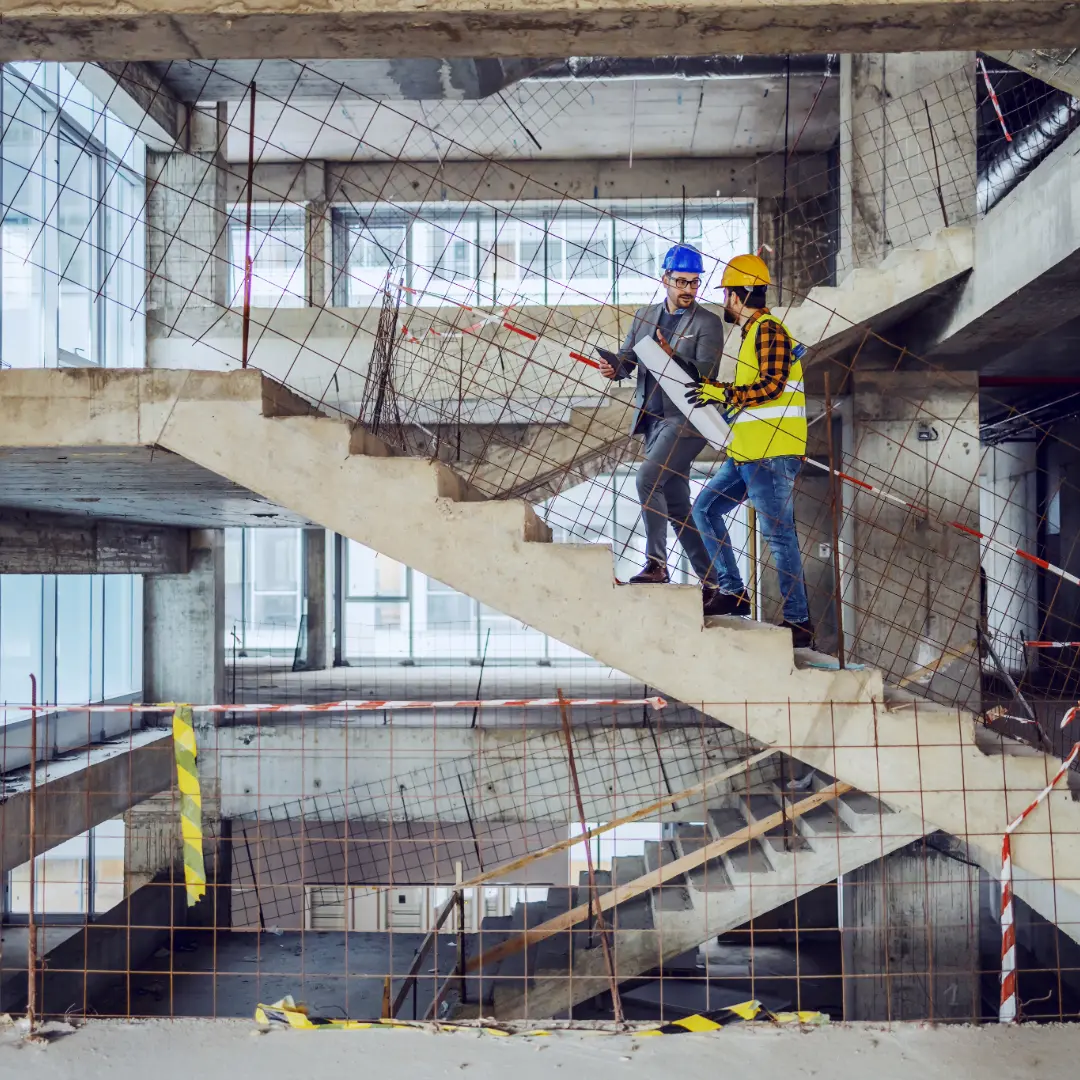
For decades, the construction sector in México relied on traditional processes and manual labor. However, construction trends in México 2026 mark a definitive break from that model. Today, innovation, sustainability, and digitization are the pillars on which the sector's future is being built.
If you want to keep your company at the forefront, discover the 10 trends that will transform Mexican construction in 2026.
1. Sustainable Construction and Certifications (LEED, EDGE)
Sustainability is no longer optional — it is a competitive requirement. In 2026, projects that do not incorporate sustainable practices will fall behind. This means using recycled materials, rainwater harvesting, bioclimatic design, and energy efficiency.
LEED and EDGE certifications are the most widely recognized in the country. Both increase property value, reduce operating costs, and strengthen corporate reputation.
📊 According to the World Green Building Council, sustainable buildings save up to 40% in water and reduce energy consumption by 30%.
2. Digitization and BIM Methodology
Building Information Modeling (BIM) is one of the top construction trends in México 2026. Its adoption is accelerating thanks to the efficiency, traceability, and collaboration benefits it offers.
The BIM process covers four essential phases:
Planning: combines real-world data with digital models of the environment.
Design: generates technical documentation and pre-construction analysis.
Construction: optimizes timelines and costs through shared data.
Operations: enables long-term management and maintenance of infrastructure.
In México, Modelado de Información de la Construcción (MIC) is part of a strategy promoted by the Secretaría de Hacienda y Crédito Público (Ministry of Finance and Public Credit) to consolidate BIM as a national standard by 2026.
3. Modular and Prefabricated Construction
Modular and prefabricated construction is gaining ground for its speed, quality control, and low environmental impact. According to the Cámara Mexicana de la Industria de la Construcción (CMIC) (Mexican Chamber of the Construction Industry), this model reduces execution times and material waste, optimizing efficiency and carbon footprint.
In addition, the nearshoring boom and demand for industrial facilities are driving this type of solution, especially in the northern part of the country.
4. Drones and Robotics on the Job Site
Automation is redefining daily tasks. Drones facilitate aerial inspections, topographic surveys, and progress monitoring. Meanwhile, robotics — such as the SAM100 bricklaying robot by Construction Robotics — multiplies productivity without completely replacing human labor.
In México, companies like Drones México and Azimet Servicios already offer site monitoring, 3D modeling, and thermal inspection using drones, improving safety and precision at every project phase.
5. Cloud-Based Project Management
Cloud-based digital platforms are changing how projects are run. Tools like Trowel, Autodesk Construction Cloud, and Procore allow teams to centralize information, accelerate decisions, and keep everyone connected in real time.
📘 You may also be interested in: The best management software for construction in 2025
6. Virtual Reality (VR) and Augmented Reality (AR)
These technologies allow project teams to experience buildings before they are built. Virtual Reality enables virtual walkthroughs of digital buildings, while Augmented Reality overlays plans and data onto the real environment, helping to catch errors before they occur.
7. New Smart and Eco-Friendly Materials
In 2026 we will see more sustainable and resilient materials: self-healing concrete, recycled plastics, structural timber, and advanced thermal insulation. These materials reduce maintenance needs and increase building energy efficiency, in line with the objectives of the Programa Nacional de Vivienda Sostenible (National Sustainable Housing Program).
8. 3D Printing in Construction
Although still in an early phase in México, 3D printing with concrete makes it possible to build complete homes in a matter of hours. This technology reduces waste, lowers labor costs, and opens the door to more innovative architectural designs.
9. Nearshoring and Industrial Growth
Nearshoring is reshaping the real estate landscape. México is consolidating its position as a key destination for the relocation of factories and logistics hubs, driving demand for industrial parks, warehouses, and sustainable office space.
This accelerates the adoption of construction trends in México 2026, especially in automation, energy efficiency, and digital control.
10. Technology-Enhanced Workplace Safety (Safety Tech)
Technology saves lives too. Wearable devices, IoT sensors, and predictive analytics help prevent accidents, monitor vital signs, and detect structural risks in real time. These tools turn work environments into safer, more controlled spaces.
The 2026 catalyst: the FIFA World Cup and infrastructure investment
Beyond technology, two economic engines explain why 2026 will be a key year for construction in México.
The 2026 FIFA World Cup. The shared hosting will bring direct investment and immediate opportunities: around 225 billion pesos in Mexico City, Guadalajara and Monterrey, the refurbishment of stadiums (such as the Azteca) to meet FIFA standards, and a multiplier effect on housing, retail, roads and employment.
Strategic infrastructure investment. Public spending sustains the long-term pace: close to 1.2 trillion pesos in railways and 173 billion to rehabilitate highways through 2030, the modernization of the Valley of México Metro, and the target of 45% renewable electricity by 2030, which demands new plants and electrical infrastructure.
Niches for specialized firms. Construction companies with proven experience and certifications (ISO) will have an edge in heavy logistics, advanced prefabrication and digital integration (BIM). For mid-sized firms, the path is to specialize in a critical project phase and form alliances with the large players rather than trying to do everything.
Conclusion: the future of construction in México is already here
Construction trends in México 2026 confirm that the sector's future will be digital, sustainable, and collaborative. Companies that adopt these tools today will not only increase their productivity — they will establish themselves as innovation leaders. The change has already begun: building intelligently is the foundation of tomorrow's business growth.