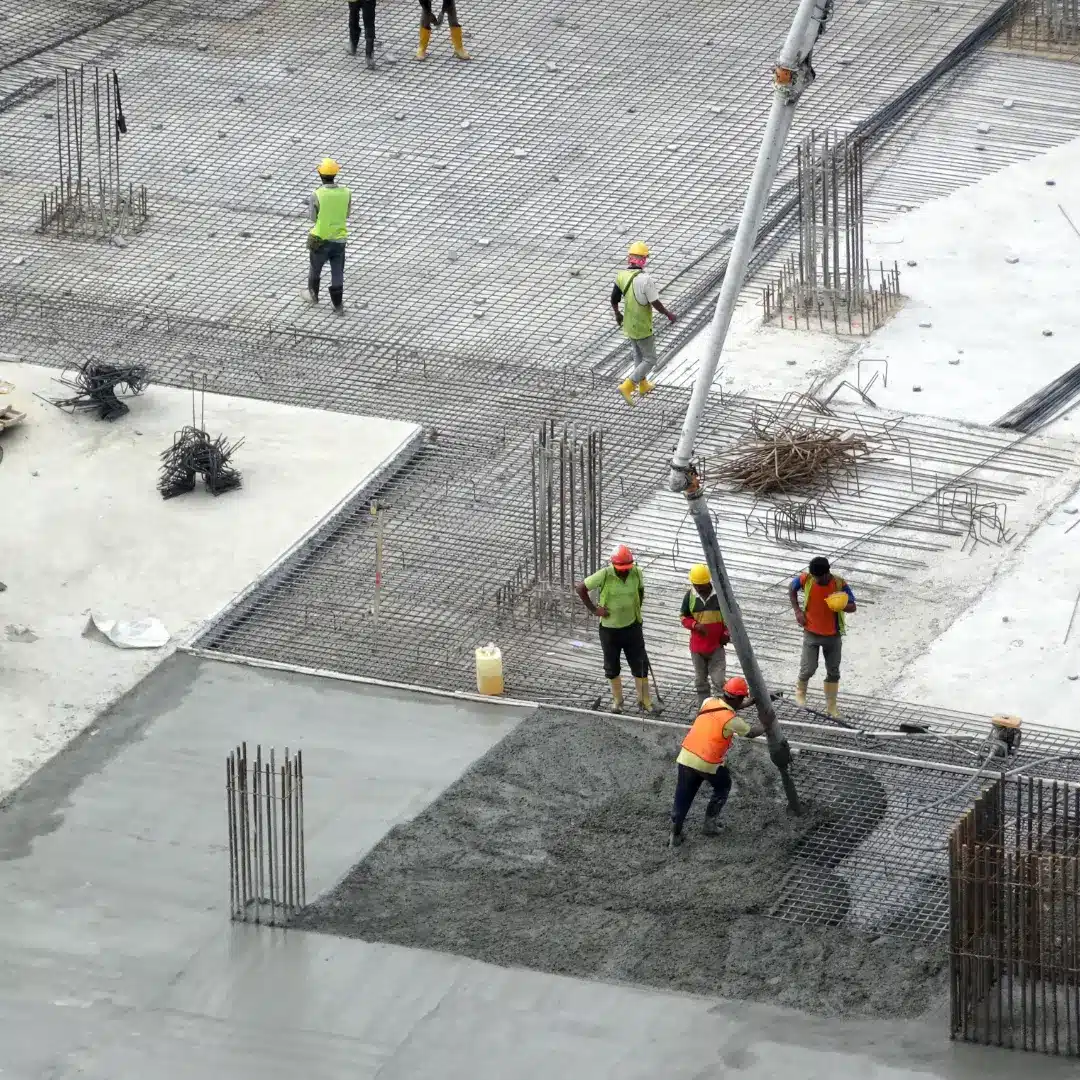
Over the past two decades, Spain has experienced a dramatic decline in home construction. According to recent data, the number of homes built has fallen by 70% since the early 2000s. This phenomenon is directly linked to structural changes in the construction sector and the real estate market. But what are the main causes of this situation? In this article, we break down the reasons and analyze the implications for Spain's housing market.
The Impact of the 2008 Financial Crisis
One of the key factors explaining this decline is the bursting of the real estate bubble in 2008. Before the crisis, Spain was experiencing an unprecedented construction boom, with figures exceeding 700,000 building permits per year (source). However, after the crisis, construction permits plummeted, and the sector has never fully recovered. In 2024, for example, around 30,600 visas were granted — a figure that starkly contrasts with pre-crisis levels.
Shortage of Developable Land
Another determining factor is the lack of developable land (source). Legal restrictions and high acquisition costs have limited the availability of land for construction. This situation not only affects the supply of new homes, but also contributes to driving up prices in the market.
Rising Construction Costs
In recent years, the costs associated with home construction have increased considerably. This includes both construction materials and labor. Global inflation and the supply chain crisis have directly impacted the final price of new buildings, discouraging developers.
Financial Restrictions and Access to Credit
The conditions for obtaining mortgage financing have also tightened over recent decades. Consumers face stricter requirements to obtain credit, limiting their ability to purchase new homes. This also affects developers, who find it increasingly difficult to finance new projects.
The Consequences for the Housing Market
The reduction in home construction has caused a significant mismatch between supply and demand. This imbalance has driven up both purchase and rental prices, making access to housing a challenge for a large segment of the population.
On the other hand, the lack of new housing also has economic and social implications, from reduced job creation in the construction sector to growing inequality in access to housing.
What Can We Expect in the Future?
Reversing this trend will require policies that encourage sustainable and affordable construction. This could include tax incentives, cutting red tape, and greater investment in urban infrastructure. It is also crucial to address the problem of speculation and ensure that new developments are aligned with the real needs of the market.
At Trowel, we understand the importance of staying up to date with the trends and challenges in the real estate sector. If you want more information or are looking for customized solutions for your projects, do not hesitate to contact us.
Conclusion
Home construction in Spain is going through a critical period. While the challenges are significant, they also represent an opportunity to rethink and transform the real estate sector. At Trowel, we want to be part of this transformation and contribute to a more sustainable and accessible future for everyone.