The Spanish construction sector in 2025 is facing significant change. Digitalization, sustainability, and technological innovation are setting the agenda for companies and professionals alike. Understanding these trends allows you to anticipate legal, economic, and environmental challenges and improve project management.
Platforms like Trowel also help — facilitating document management, site tracking, and team collaboration, while supporting compliance with the sector's new standards.
1. Digitalization in Construction
Digitalization is a key factor transforming how projects are planned and executed. Its main benefits include:
- Centralized document management
- Real-time cost control
- More efficient project planning and progress tracking
- Integration with BIM methodologies and design software
Using construction management software allows companies in Spain to automate repetitive tasks, reduce errors, and improve team productivity. (MITMA – BIM Spain Guide)
2. Sustainability and Green Construction
The construction sector is adopting sustainable practices to reduce its environmental footprint and comply with European regulations. Key actions include:
- Use of eco-friendly and recyclable materials
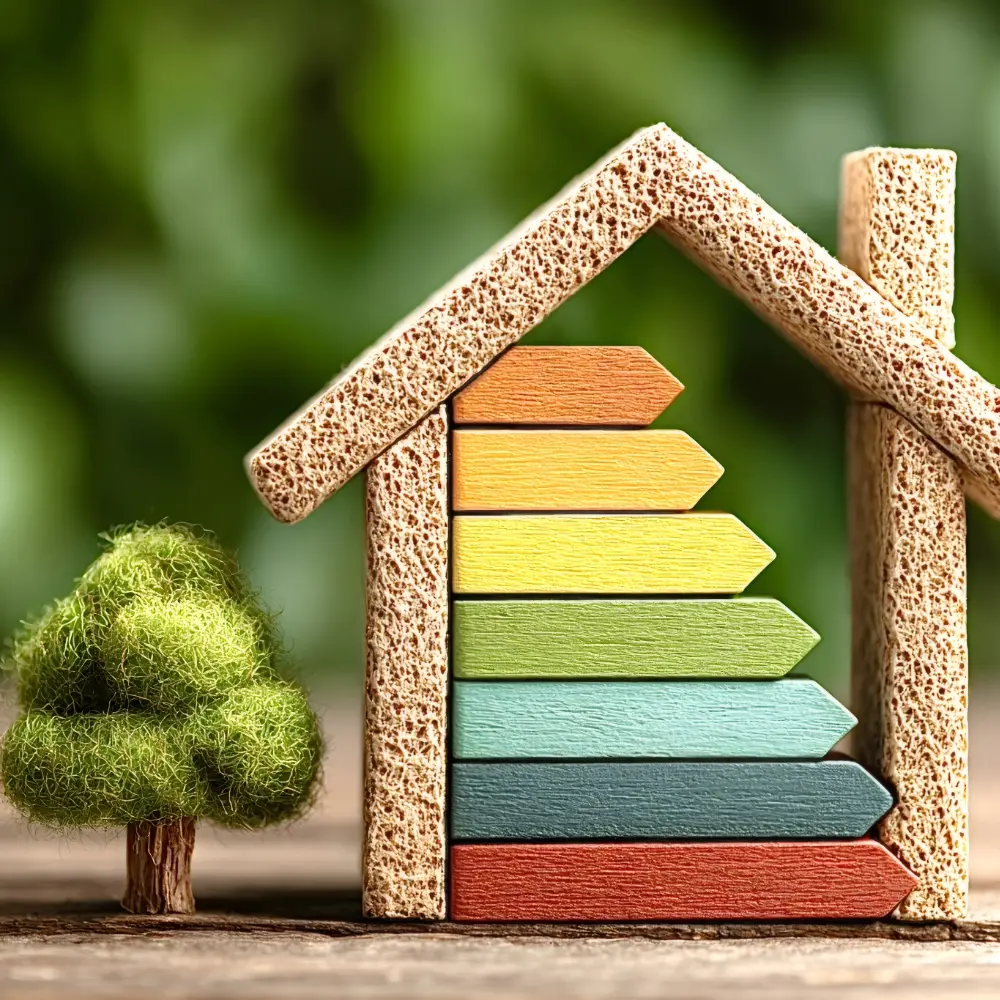
- Design of energy-efficient buildings
- Responsible management of construction waste
- Environmental certifications such as LEED or BREEAM
Sustainability is not just a regulatory response — it also improves company reputation and reduces operating costs over the long term.
3. New Challenges for 2025
a) Shortage of skilled labor
The lack of specialized personnel requires investment in training and technology to maintain productivity.
b) Rising material costs
Effective budget control and efficient planning are essential to avoid cost overruns.
c) Stricter regulatory compliance
Safety inspections, environmental regulations, and technical certifications are intensifying.
d) Technological adaptation
Companies must integrate digital tools, management software, and BIM methodologies to remain competitive.
4. Key Trends in Spain's Construction Sector in 2025
- Modular and prefabricated construction: reduces time and costs.
- Artificial intelligence and Big Data: help anticipate risks and optimize resources.
- Automation and drones on site: enable more precise and safer monitoring.
- Collaborative software: improves communication between professionals and clients.
5. How to Prepare for These Changes
- Invest in digital training: equip your team with management tools and BIM skills.
- Adopt construction software: centralizes documents, controls budgets, and speeds up projects.
- Implement sustainable practices: materials, certifications, and energy efficiency.
- Strategic planning: anticipate costs, resources, and legal risks to minimize problems.