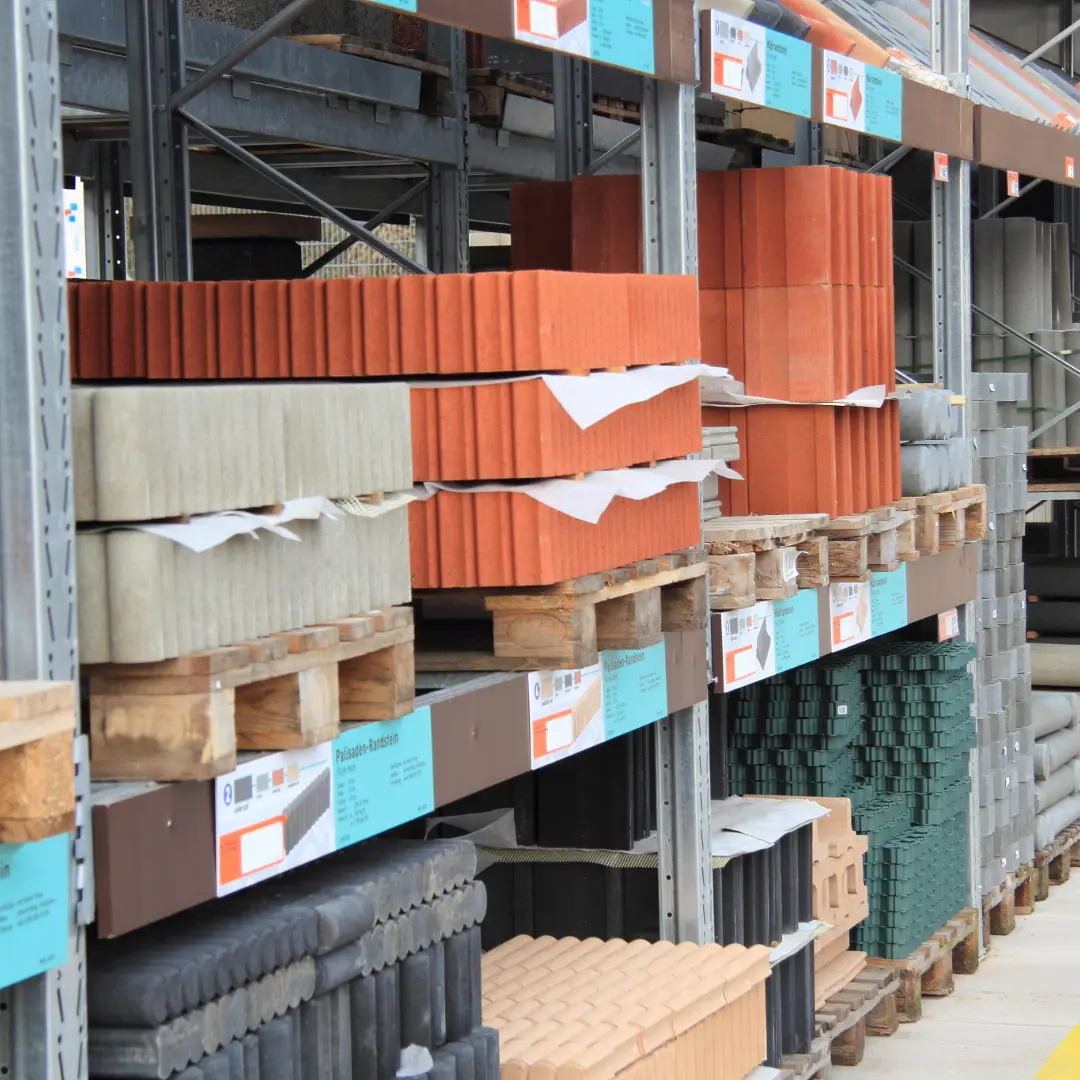
In 2025, construction material prices are at historic highs. According to the Índice de Costes del Sector de la Construcción (Construction Sector Cost Index) published by Spain's Ministry of Transport, Mobility, and Urban Agenda (MITMA), material and energy costs have surged in recent years. That is why optimizing your purchasing this year will not only save you money — it will also dramatically improve the profitability of your projects.
How material prices have evolved in 2025
MITMA data confirms a cumulative increase of 38.5% over 2021–2022, with prices stabilizing at elevated levels through 2023, which continues to put pressure on budgets. As a result, purchasing materials such as steel, cement, and timber demands a well-planned, digitized strategy.
Why is optimizing material purchasing so important?
Efficient purchasing management can save up to 20% of the total project budget. Controlling construction material costs not only reduces direct expenditures — it also:
- Shortens project timelines by avoiding stockouts
- Minimizes planning errors
- Improves relationships with strategic suppliers
- Strengthens the financial sustainability of the project
Strategies for reducing material purchasing costs
- Digitize the purchasing process Use specialized software that compares prices, logs historical data, and detects deviations in real time. This helps you avoid cost overruns and makes supplier negotiations easier.
- Framework contracts and forward purchasing Negotiate long-term agreements with suppliers and acquire key materials ahead of major price increases.
- Evaluate alternative materials Consider prefabricated, recycled, or sustainable materials that maintain quality while reducing overall costs.
- Continuous price monitoring Regularly review the MITMA index and adjust your purchasing based on how the materials and energy market is evolving.
What tools can help you in 2025?
Having digital platforms tailored to the construction sector will make a real difference this year. Key functionalities to look for include:
- Centralized supplier management
- Automatic project budget control
- Price comparison by project or location
- Real-time deviation alerts
These solutions allow you to make informed decisions from the feasibility study phase all the way through to project close-out, maximizing operating margins.
What happens if you don't optimize your purchasing?
The consequences of failing to properly manage material costs in construction in 2025 can be severe:
- Loss of competitiveness against more agile companies
- Lower project profitability
- Missed deadlines due to supply shortages
- Damage to relationships with clients and subcontractors
Implementing smart purchasing strategies is therefore not optional — it is a matter of business survival.
Benefits of optimizing purchasing in 2025
- Up to 20% savings on the overall budget
- Avoids margin erosion
- Reduces interruptions due to stock shortages
- Strengthens your negotiating position with suppliers
- Improves the sustainability and financial efficiency of the project
Conclusion
With material prices at elevated levels, adopting smart purchasing strategies is essential to reduce costs and protect the profitability of your projects. Take advantage of digital tools, supplier planning, and continuous market analysis based on MITMA data to optimize your investments.