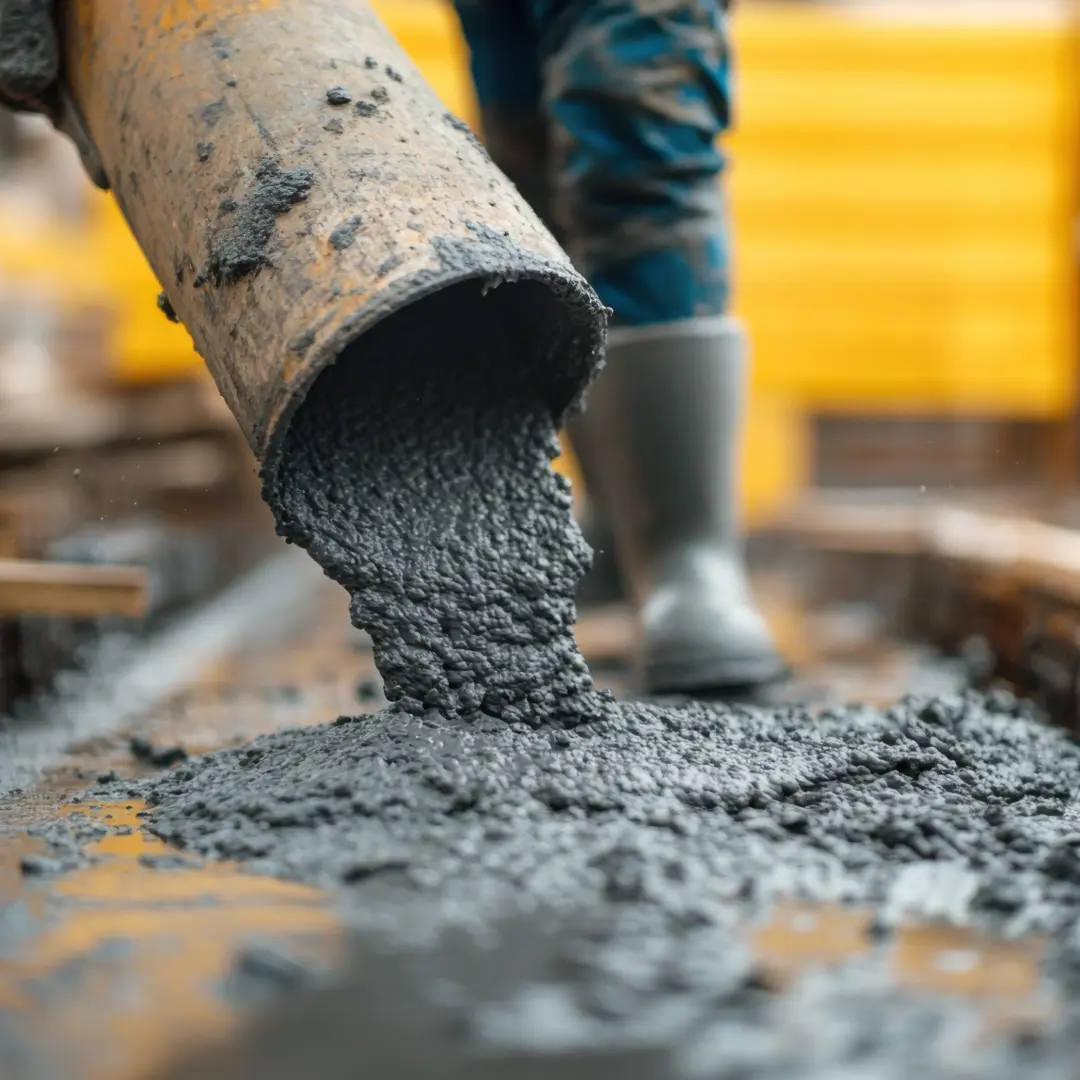
The foundation is the base of any construction project. Choosing the right method not only ensures the stability and durability of the structure, but also optimizes costs and timelines. This article provides a guide, with examples and comparisons, aimed at construction professionals in México.
1. The importance of a correct foundation
An inadequate foundation can lead to settlement, structural cracking, or even catastrophic failures in buildings. In México, geological diversity — from clay soils in the center to sandy soils along the coast — demands careful analysis before deciding on a foundation type.
Expert tip: Always carry out a geotechnical study of the terrain before designing any foundation, and consult the regulations of each state, for example those of Mexico City.
What are the most effective methods for achieving a solid foundation on a construction project?
The most effective methods depend on the type of soil and the structural load. Among the most widely used are isolated footings, foundation slabs, piles, diaphragm walls, and micropiles. A prior geotechnical study is always recommended to ensure stability, durability, and safety on the project.
2. Foundation types most commonly used in México
The following is a detailed breakdown of the most effective foundation methods according to soil type and expected loads.
|
Foundation type |
Description |
Recommended soils |
Advantages |
Disadvantages |
Common mistakes |
|
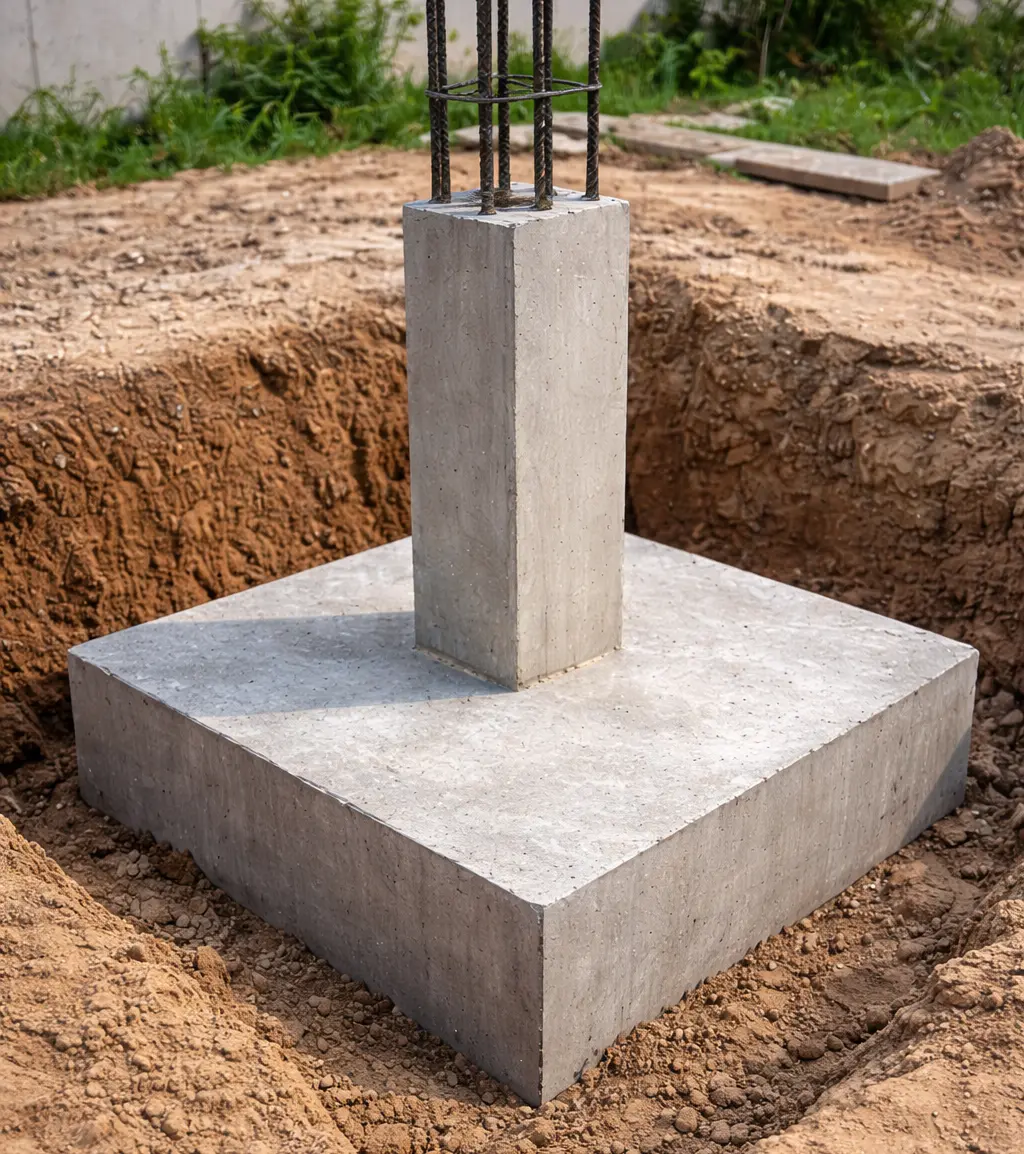
Isolated footings |
Individual bases beneath columns |
Firm, low-compressibility soils |
Cost-effective, fast to construct |
Not suitable for very high loads |
Undersizing width or depth |
|
Foundation slabs |
Concrete slab beneath the entire building |
Soft or heterogeneous soils |
Uniform load distribution, prevents differential settlement |
Higher material cost |
Failure to level the ground correctly |
|
Piles |
Deep columns that transfer loads to resistant layers |
Soft or fill soils |
Supports high loads, useful in flood-prone areas |
High cost, requires machinery |
Short or misaligned piles |
|
Diaphragm walls |
Retaining and deep foundation walls |
Unstable soils, deep excavations |
Prevents ground collapse |
Construction complexity |
Poor compaction and joint sealing |
|
Micropiles |
Small-diameter piles with mortar injection |
Difficult soils or existing buildings |
Fast, adaptable to confined spaces |
Lower capacity than conventional piles |
Poor adhesion with the soil |
3. Key factors for choosing the right method
- Soil type: Clay, sandy, rocky, or fill soils determine bearing capacity and expected settlement.
- Structural load: Light versus heavy buildings.
- Availability of machinery and materials: Piles and diaphragm walls require specialized equipment.
- Cost and time: Slabs and footings are usually faster and more cost-effective.
Practical tips: For self-builders in urban areas with 1–2 story homes, footings and slabs are generally sufficient, while multi-story buildings require piles or reinforced slabs.
4. Common foundation mistakes and how to avoid them
- Skipping the geotechnical study → Always conduct a preliminary study.
- Undersizing footings or piles → Consult bearing capacity tables in accordance with the applicable NOM (Norma Oficial Mexicana) for each state and concrete strength.
- Poor compaction of fill material → Compact in 20–30 cm layers.
- Lack of moisture control → Keep concrete hydrated and protect against rain during curing.
- Designing without accounting for differential settlement → Design appropriate slabs or pile systems based on soil heterogeneity.
5. Foundation examples in México
- Mexico City: Lacustrine soils require foundation slabs or deep piles for medium- and high-rise buildings.
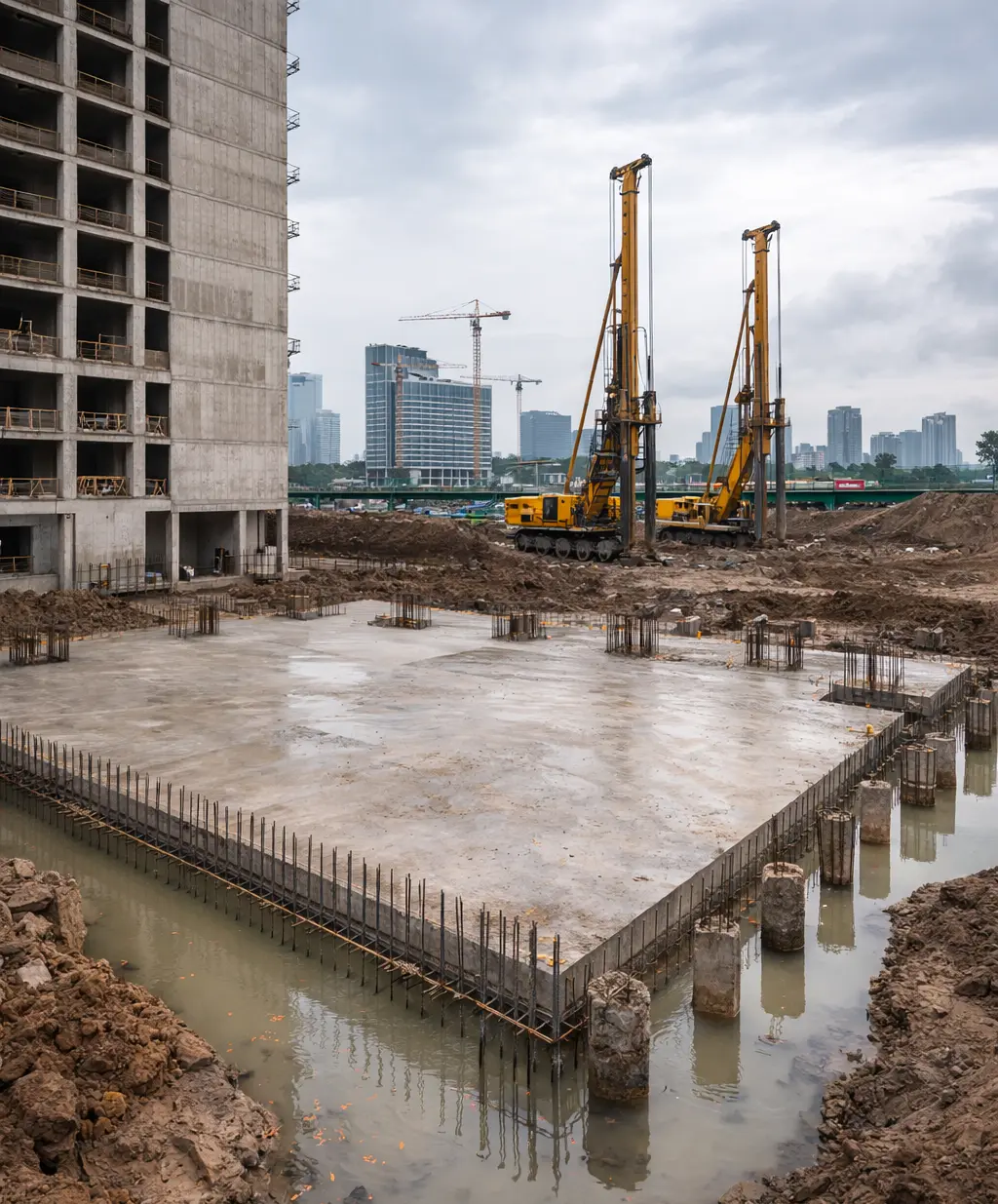
- Monterrey, NL: Predominance of rocky soils allows for efficient use of isolated footings.
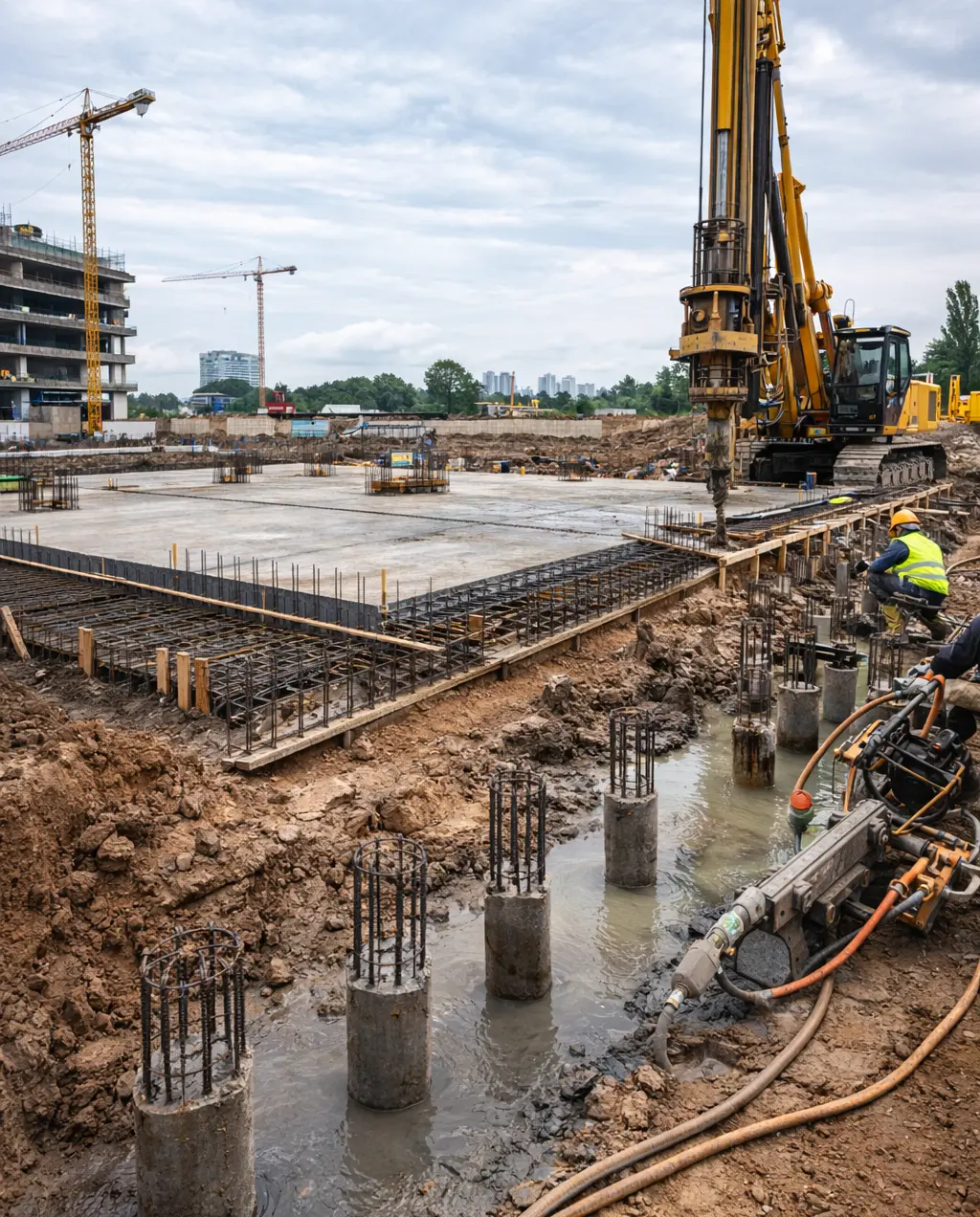
- Guadalajara, Jal: Clay and expanding fill soils require micropiles or reinforced slabs.
6. Conclusion
Selecting the correct foundation method is crucial to the safety and durability of any construction project. The decision must be based on a geotechnical study of the terrain, the structural load, local regulations, and the availability of resources. A well-designed and well-executed foundation not only prevents structural problems such as settlement or cracking, but also optimizes construction costs and timelines. In summary, investing time in planning the foundation guarantees safer, more efficient, and more durable buildings.