Eco-friendly materials in construction: Cellulose as insulation
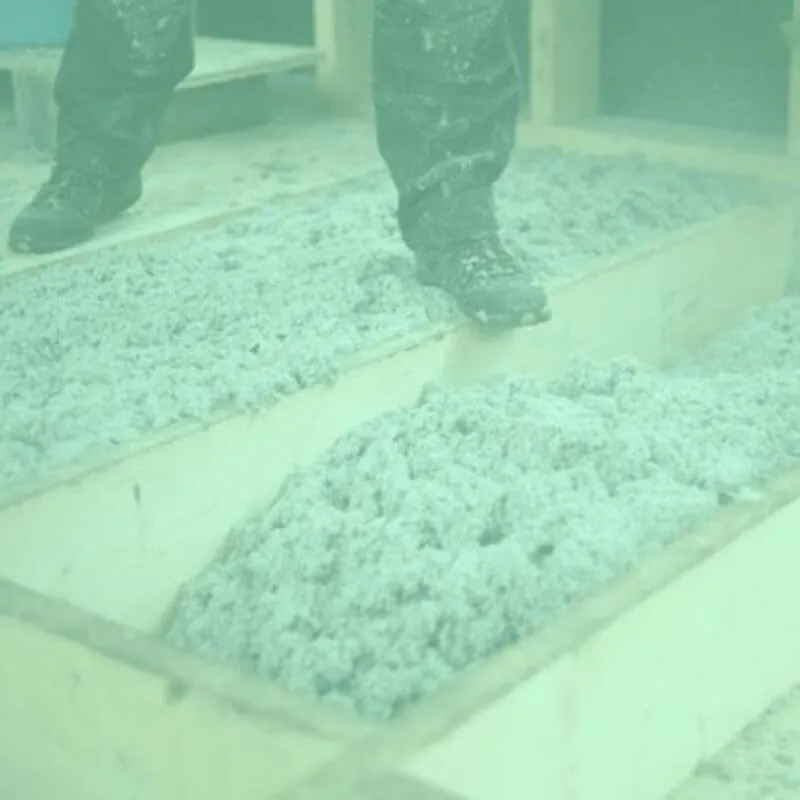
Cellulose is an insulating material that has earned a prominent place in sustainable construction thanks to its many benefits. It is obtained by recycling newspaper, which not only reduces the amount of waste ending up in landfills, but also minimizes the use of virgin resources. Cellulose is generally presented as loose flakes that are blown into wall, ceiling, and floor cavities, creating an effective barrier against heat and cold.
Low thermal conductivity of cellulose
One of the main advantages of cellulose is its low thermal conductivity. This means it is highly efficient at providing thermal insulation, helping to keep indoor temperatures stable and reducing the need for heating and cooling systems. Low thermal conductivity translates into greater energy savings and a reduction in the greenhouse gas emissions associated with building climate control.
Water resistance and pest protection
Unlike other insulating materials, cellulose does not absorb water, making it resistant to moisture and mold. This is crucial for maintaining the structural integrity of buildings and for avoiding health problems related to mold. In addition, cellulose contains borate salts, which act as a fire retardant and provide protection against pests such as termites and other insects.
High thermal resistance and sustainability
Cellulose not only has low thermal conductivity, but also exhibits high thermal resistance. This means it can withstand high temperatures without degrading, making it ideal for use in extreme climates. Furthermore, due to its recycled origin and its low environmental impact during the manufacturing process, cellulose is one of the most sustainable insulating materials available on the market.
Low toxicity and low environmental impact
One of the most important aspects of eco-friendly materials is their low toxicity. Cellulose is manufactured using recycled paper and borate salts, which are non-toxic substances. This not only makes the material safe for building occupants, but also reduces the risks associated with handling and installing the insulation. The low environmental impact of its raw materials and production process makes cellulose an ideal choice for green building projects.
Applications of cellulose in construction
Cellulose can be used in a wide variety of applications within construction. It is commonly used as insulation in walls, ceilings, and floors, but can also be used in other building elements where good thermal and acoustic insulation is required. Its flexibility and ability to adapt to different shapes and spaces make it a highly versatile material.
Build a more sustainable world with us
Adopting eco-friendly materials like cellulose is a crucial step toward building a more sustainable world. By choosing materials with a low environmental impact that improve the energy efficiency of buildings, we can reduce our carbon footprint and contribute to the fight against climate change. We invite you to explore the possibilities of cellulose and join us in creating a greener, more responsible future.
Conclusion
Cellulose is an eco-friendly material that offers multiple advantages for sustainable construction. Its ability to provide thermal insulation, its resistance to moisture and fire, and its low toxicity make it an ideal choice for those who want to build responsibly. By opting for cellulose, you not only contribute to waste reduction and energy savings, but also promote the creation of healthier, more comfortable spaces. Building with sustainable materials like cellulose is an important step toward a greener and more responsible future.