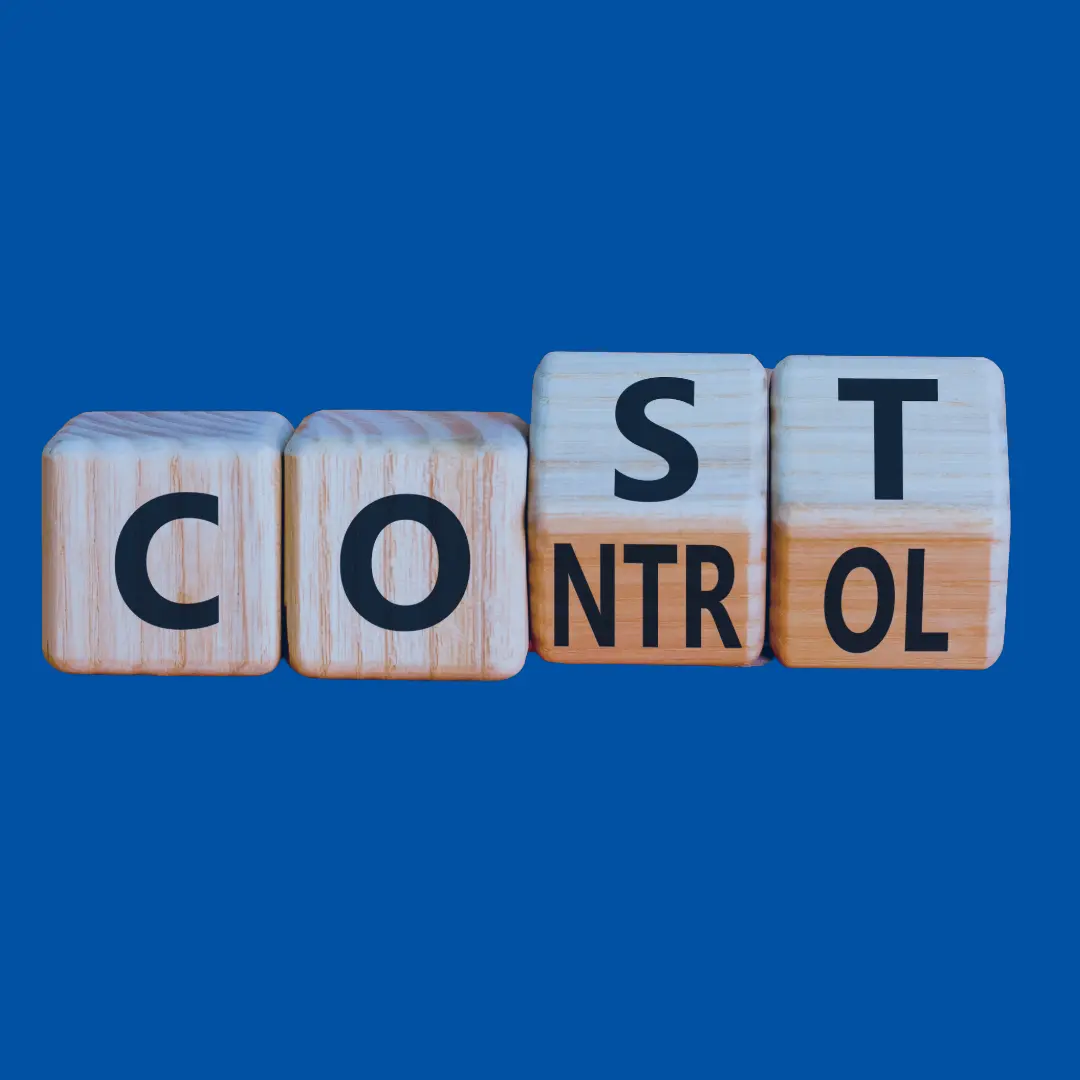
Many companies believe their profitability depends solely on winning more contracts or cutting direct costs like materials and labor. However, the construction companies that are truly profitable understand one secret: controlling indirect costs. These costs, while not always visible on the job site, can make the difference between a successful project and one that barely breaks even.
What are indirect costs in a construction company?
Indirect costs are all the expenses required to operate the business, but that cannot be assigned directly to a specific line item on a project. Common examples include:
- Administrative and technical support salaries
- Office and warehouse rent
- Vehicles, fuel, and maintenance
- Shared tools and minor equipment
- Insurance, licenses, and permits
- Software, accounting, and management systems
- Financial costs and general overhead
The problem isn't having them — they're unavoidable — but failing to measure and control them properly.
Job-site time tracking: stay compliant, stay safe
There's still time to join! Fill out the form below to attend the webinar.
During the webinar, we show how Trowel — software built for the construction industry — helps you comply with time-tracking regulations on the job site, avoid penalties, and manage crews from your phone, without any paperwork.
How profitable construction companies control their indirect costs
Companies that actually make money do three key things:
1. They measure indirect costs by project Knowing the total monthly spend isn't enough. Profitable construction companies distribute indirect costs across projects using clear criteria such as:
- Man-hours
- Project duration
- Work volume
- Actual resource usage
This way they know which projects are truly generating profit.
2. They budget for indirect costs before bidding Before winning a contract, they already know:
- How much they can spend on indirect costs
- What margin they need to protect
- What level of overhead is sustainable
This prevents them from winning projects that look attractive on paper but actually erode profitability.
3. They use real-time data to make decisions Profitable construction companies don't wait until a project closes to notice problems. They monitor indirect costs month by month, comparing:
- Budget vs. actual spend
- Growth trends
- Early warning signals for overruns
Technology: the key ally for controlling indirect costs
Managing indirect costs in Excel spreadsheets tends to be slow, error-prone, and hard to scale. That's why more and more construction companies are adopting specialized digital tools that allow them to:
- Centralize financial information
- Automatically assign costs to projects
- Visualize real margins by project
- Make decisions based on data, not guesswork
At Trowel, we understand that profitability isn't built only on the job site — it's built in management too. That's why we help construction companies maintain full visibility into their costs, including the indirect costs that usually go unnoticed.
Conclusion: profitability is in the details
Construction companies that are truly profitable don't work harder — they work smarter. Controlling indirect costs isn't a boring administrative task: it's a key strategy for growing in a healthy, sustainable way. If you don't know exactly how much it costs to run each project, you're not managing — you're guessing.