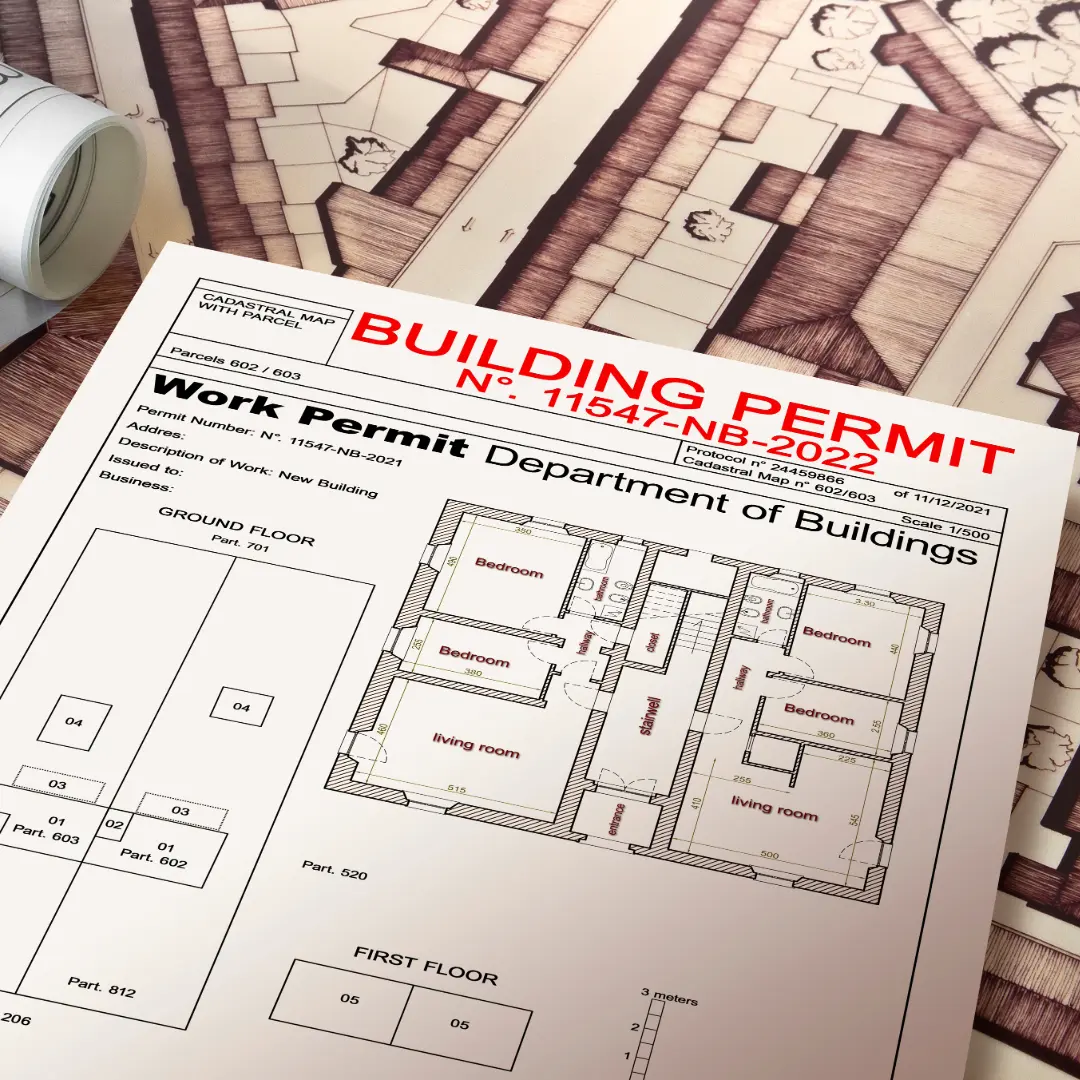
Obtaining construction permits in Spain in 2025 is an essential step before starting any construction project, whether it involves a new build, a renovation, or an extension. Requirements, timelines, and costs can vary by municipality or autonomous community. In addition, processing delays — which in some cases exceed a year — generate significant cost overruns. Being well informed is therefore key to avoiding risks and project stoppages.
1. What are construction permits and when do you need them?
Construction permits are municipal or regional authorizations that allow construction, renovation, or demolition work to begin and ensure the project complies with urban planning, safety, and environmental regulations. In 2025 they are required when:
- A new building is constructed or significantly expanded.
- There are changes to the structure, volume, or use of a property.
- Common areas, facades, or major building systems are renovated. In contrast, some minor works can be processed through prior notice (comunicación previa) or may not require a formal permit.
2. Types of construction permits in Spain
2.1 Minor construction permit (Licencia de obra menor) For renovations without structural modification or increase in volume. Example: replacing windows, flooring, or bathrooms without redistributing walls.
2.2 Major construction permit (Licencia de obra mayor) When there are changes to the structure, facades, use, or volume. Usually requires a visado (certified technical project) and compliance with the CTE (Código Técnico de la Edificación, Spain's Building Technical Code).
2.3 Urban planning / prior license (Licencia urbanística / previa) Authorizes land use for building development and usually precedes the construction permit.
3. Documentation and requirements in 2025
To process construction permits in Spain in 2025, you will typically need:
- Completed application form.
- DNI/NIE (national ID) of the applicant or representative.
- Proof of ownership or authorization from the title holder.
- Technical project (major works) certified by a professional association.
- Descriptive report, estimated budget, and current and projected floor plans.
- Payment of municipal fees and the ICIO (Impuesto sobre Construcciones, Instalaciones y Obras — Construction, Installation and Works Tax) in most cases.
- Waste management study, energy efficiency certificate, and any other documents required by the local authority.
It is important to check local ordinances, as some municipalities are implementing simplified procedures or prior notice modalities to streamline processing.

Verifactu on Site with Trowel: what you need to know
In this event, we answered key questions about what Veri*factu actually is, how it differs from electronic invoicing, and what construction companies need to do to comply with the new regulation.
You can watch the full recording by filling out the form below.
4. Timelines, costs, and common obstacles
Timelines
Although regulations set maximum deadlines (e.g., 3 months for major works permits), in practice many local authorities take much longer: in Málaga, the average is around 196 days for major permits.
Costs
Costs vary widely depending on the municipality and the presupuesto de ejecución material (PEM — material execution budget). For example:
- A major construction permit can amount to between 3% and 5% of the PEM.
- For smaller renovations, fees have been calculated at around €210 for a works budget of €3,000.
Common obstacles
- Incomplete documentation.
- Changes in urban planning regulations or zoning.
- Delays in technical reports from the local authority.
- Project changes after the permit has been granted.
Processing delays can generate cost overruns of up to approximately €12,800 per dwelling in certain Spanish cities.
5. Consequences of permit delays
Delays in granting construction permits affect not only the developer but also the end buyer. One study found that an average delay of 12 months in new-build permits translates into an additional cost of nearly €13,000 per dwelling.
- For companies in the sector, these delays mean:
- Increased financing and opportunity costs.
- Loss of competitiveness.
- Budget deviations.
- Risk of sanctions or project stoppages.
6. Best practices to speed up the process
To avoid problems with construction permits in Spain in 2025, follow these recommendations:
- Make sure all documents are complete and up to date before submitting the application.
- Consider the declaración responsable (responsible declaration) or prior notice modality if local regulations allow it for minor works.
- Proactively track the file status at the local authority.
- Digitize your document management and keep all parties informed (architect, quantity surveyor, developer).
- Build a buffer into your schedule before the project start date to account for potential delays.
Simplify your project management.
WorkersForemenSite ManagersProject ManagersExternal
Conclusion
Construction permits in Spain in 2025 are an essential part of managing any construction project. Understanding the types, documentation, costs, timelines, and best practices lets you get ahead of obstacles. At a time when digitization and administrative efficiency are in the spotlight, tools like Trowel facilitate document and administrative management so you can focus on what truly matters: delivering quality work efficiently.