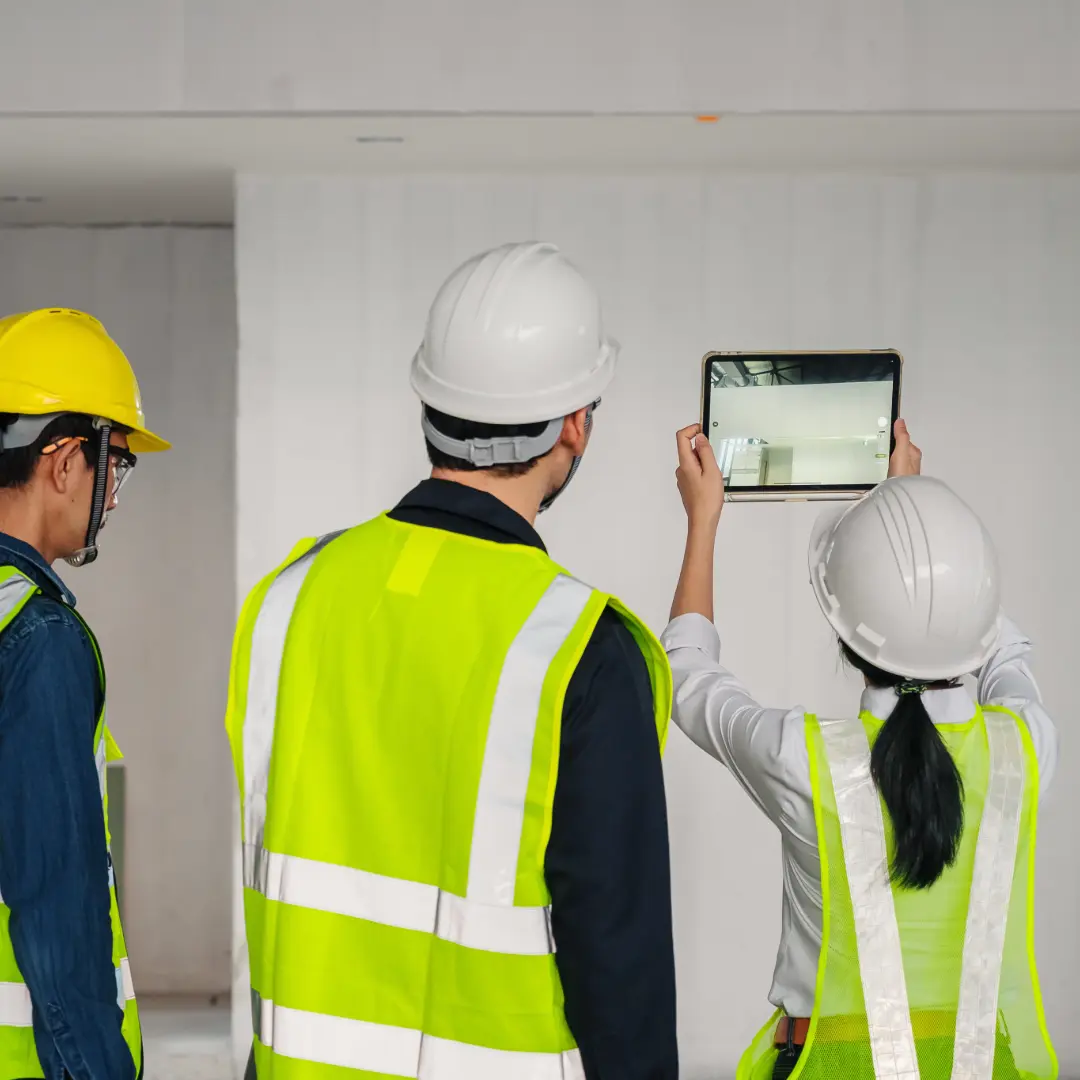
The construction industry is undergoing a profound transformation driven by the adoption of BIM (Building Information Modeling). This digital methodology enables the creation of precise three-dimensional models that integrate information about every phase of a project's lifecycle — from design and planning through execution and maintenance.
Thanks to BIM, companies in the sector are able to reduce errors, improve team collaboration, and optimize resources, delivering more efficient, sustainable, and profitable projects.
Precision in Planning and Design
One of BIM's greatest contributions is the ability to work with integrated digital models that provide a realistic and detailed view of the project before construction begins.
This makes it possible to:
- Detect conflicts and errors during the design phase.
- Simulate different construction scenarios.
- Reduce cost overruns stemming from unforeseen issues.
With BIM, architects and engineers can anticipate problems, avoiding rework and ensuring higher quality execution.
Reduction of Errors on Site
In traditional project delivery, errors on site typically lead to delays and additional costs. With BIM, teams share a single, real-time updated model, which reduces inconsistencies between drawings and facilitates coordination.
Furthermore, clash detection allows incompatibilities between installations, structures, and finishes to be identified before construction begins, reducing risk and increasing project safety.
Improved Team Collaboration
Another fundamental impact of BIM is multidisciplinary collaboration. Architects, engineers, contractors, and clients can work within the same digital environment, accessing shared, up-to-date information.
This promotes:
- Transparency in communication.
- Faster and more precise decision-making.
- Greater integration throughout the construction process.
In this way, BIM becomes a bridge connecting all project stakeholders and improving overall efficiency.
Resource Optimization and Sustainability
The use of BIM also contributes to more sustainable construction. Models allow for precise calculation of material quantities, waste reduction, and improved building energy efficiency.
By integrating performance and maintenance data, BIM supports the design of projects with a lower environmental footprint and greater durability. According to Autodesk, this methodology helps drive innovation and sustainability across the sector.
Conclusion
BIM is not just a technology tool — it is a methodology that is revolutionizing the construction industry. Its ability to improve planning, reduce errors, optimize resources, and foster collaboration is making it an increasingly adopted global standard.
Implementing BIM is not simply about innovation; it is about delivering more profitable, sustainable projects that are aligned with the challenges shaping the future of construction.
Request a Free Trowel Trial
We recommend requesting a free trial of Trowel so you can experience firsthand the advantages of this software and determine whether it is the right choice for your company. You can request your free trial of Trowel.