Introduction to Construction Safety Standards
Construction is one of the most dangerous industries in the world, with a high rate of workplace accidents. Implementing safety standards in construction is crucial to protecting workers and complying with legal regulations. In this article, we will explore how to comply with construction safety standards. We highlight the importance of these regulations and provide a detailed guide to ensuring a safe and efficient work environment.
The Importance of Safety in Construction
Construction safety standards not only protect the lives and health of workers. They also improve operational efficiency and reduce costs associated with accidents and illness. A safe work environment fosters employee morale and productivity, reducing absenteeism and increasing the quality of work. Implementing safety standards in construction is crucial to protecting workers and complying with legal regulations. In this article, we will explore how to comply with construction safety standards, highlighting the importance of these regulations and providing a detailed guide to ensuring a safe and efficient work environment.
The Importance of Safety in Construction
Over the years, construction safety regulations have evolved significantly. From early basic rules to today's complex standards, these laws reflect a growing understanding of occupational hazards and the need to mitigate them through advanced procedures and technologies.

Key Regulations Worldwide
At the global level, several organizations have established specific safety standards for the construction industry. Among the most recognized are the regulations of the Occupational Safety and Health Administration (OSHA) in the United States, European Union directives, and ISO standards. Each country has its own safety laws and regulations that construction companies must comply with. For example, in Spain, the Law on the Prevention of Occupational Hazards (Ley de Prevención de Riesgos Laborales), regulated by the International Labour Organization (ILO), sets out the requirements companies must follow to ensure worker safety.
Key Regulations Worldwide
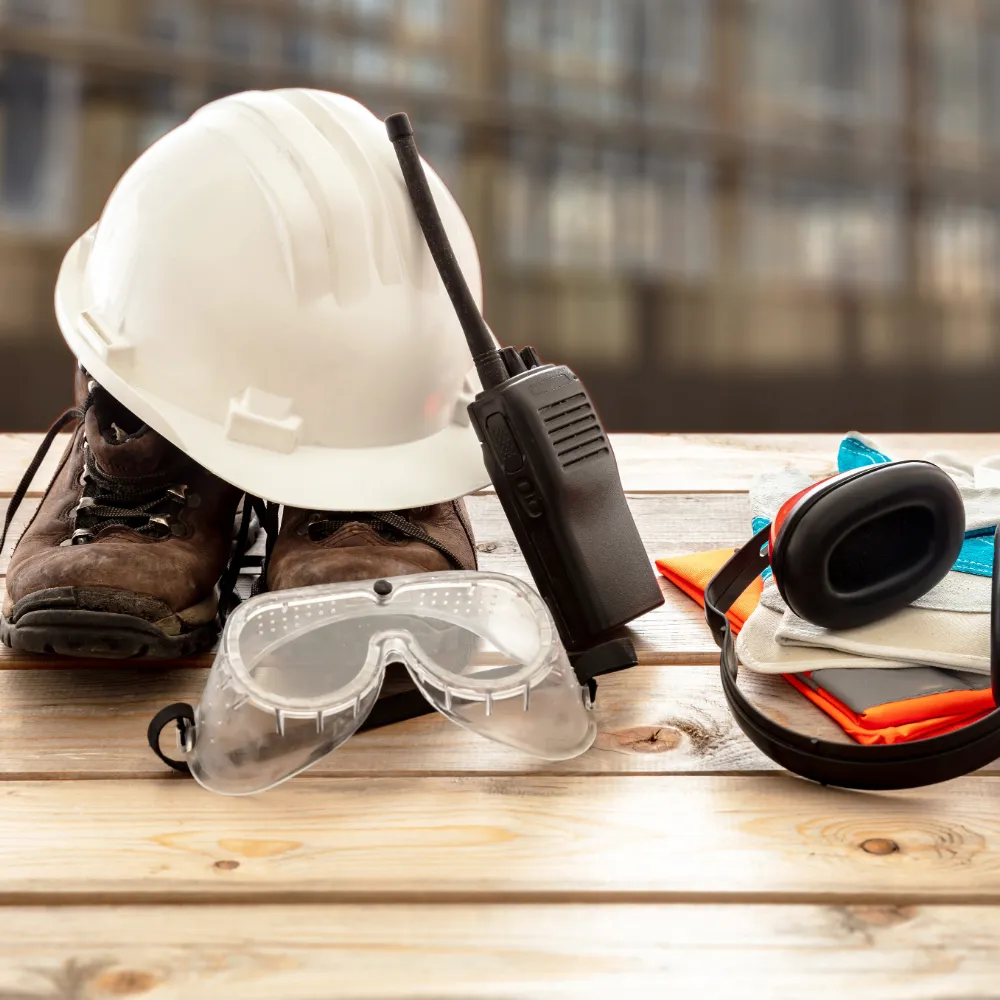
- Personal Protective Equipment (EPP). Hard hats, gloves, safety goggles, steel-toed boots, and harnesses are among the essential equipment that must be provided and properly used on the worksite.
- Signage and labeling. Signs must be clear, visible, and understandable, using universal symbols and color-coded warnings for different types of hazards.
- Emergency procedures. This includes planning evacuation routes, locating emergency equipment, and regularly training employees in emergency response.
Occupational Hazard Action Plan
Identifying Occupational Hazards
The first step to ensuring a safe work environment is identifying potential occupational hazards. These may include physical, chemical, biological, and ergonomic hazards that workers may face on the construction site.
Risk Assessment
Once hazards have been identified, they must be assessed to determine their severity and likelihood of occurrence. This assessment allows risks to be prioritized and resources focused on the highest-danger areas.
Implementing Preventive Measures
After assessing risks, it is crucial to implement preventive measures to mitigate these hazards. This may include installing safety barriers, modifying work procedures, and providing adequate personal protective equipment.
Staff Training and Education
Ongoing employee training is essential to ensuring that workers understand and follow safety standards. Training programs should include both theoretical and practical sessions, as well as periodic evaluations to verify understanding and compliance with safety policies.
Conclusion
Complying with safety standards in construction is not just a legal obligation, but a moral responsibility to protect workers and ensure a safe work environment. Through understanding regulations, implementing preventive measures, and promoting a safety culture, companies can create a safer and more efficient work environment. The future of construction depends on our ability to continuously adapt and improve our safety practices, ensuring that all workers return home safe and sound at the end of the day.
Request Your Free Trowel Trial
We recommend trying Trowel for free so you can experience firsthand the advantages of this software and decide whether it is the right fit for your company. You can request your free trial of Trowel.#Trowel #sustainability #internationalday #construction #occupationalhazards #safety